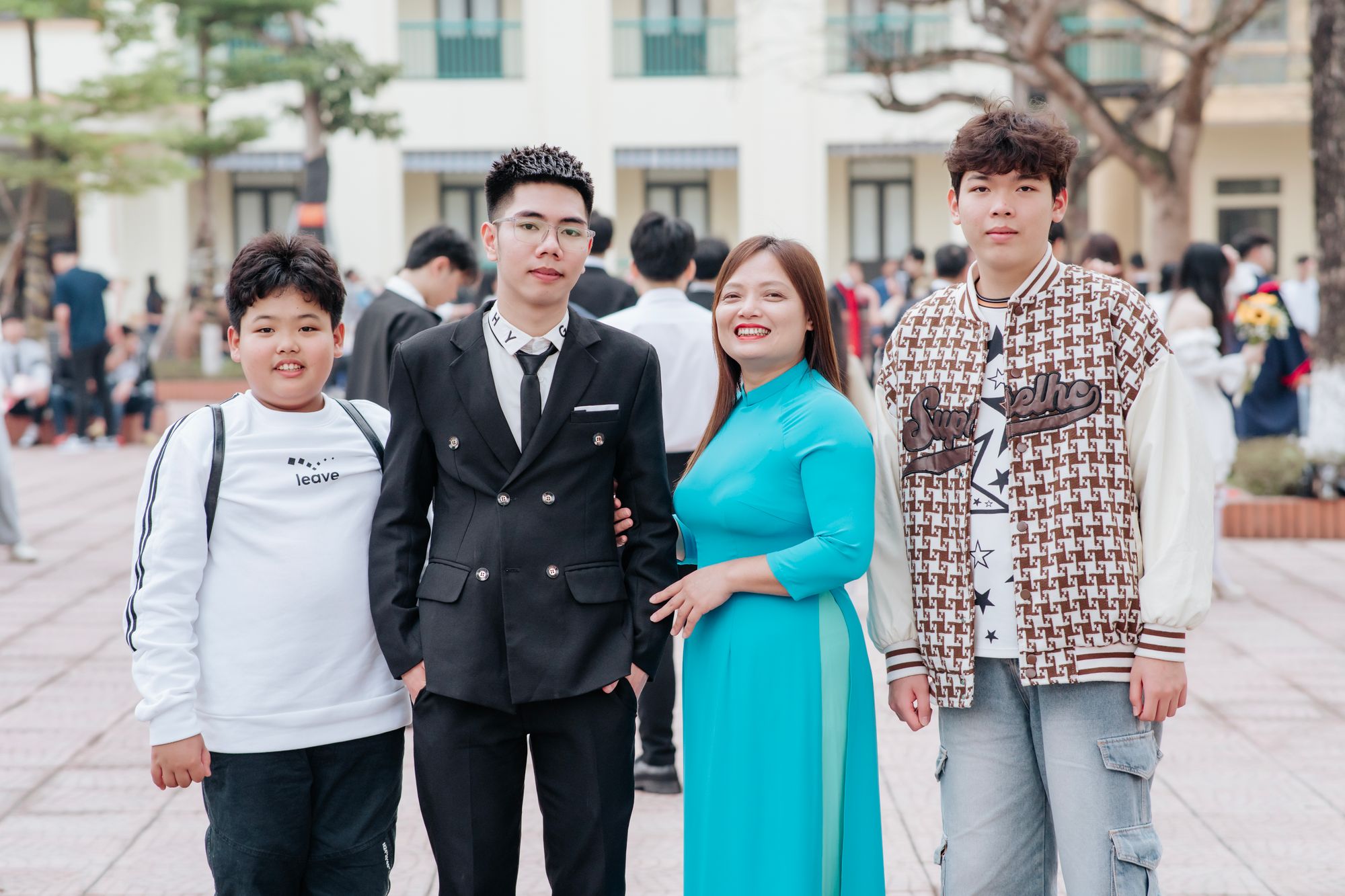
Of all the themes that emerged from the interviews for my Master's dissertation, the role of family was perhaps the most heartfelt. Across every perspective I heard, families stood out as the people who guide, advocate for and support young people with ASD as they move towards adulthood.
Support that continues long after school
Research consistently shows that many formal services end once a young person leaves secondary school. At this point, families often step in to provide financial, emotional and practical support, sometimes well into adulthood. One study of parents of adult sons with ASD found that their biggest concerns were their child's social challenges, stress and long-term care. It is also common for siblings to take on a supportive role as they get older, and research suggests that relationships with siblings can offer a patient, understanding environment that helps with social development.
What families in Macau shared
In my interviews, the young person I spoke to explained that, rather than approaching the school counsellor, he had turned to his parents for support. I also spoke with a participant who has a family member on the spectrum. They described how their family worked together to explore options such as vocational training and government employment support. Their reflections were a lovely example of a family thinking creatively and patiently about what the right next step might look like.
Teachers also recognised the influence of families on decisions about the future. One teacher noted that family expectations can vary a great deal. Some parents may feel very protective, while others may have high academic hopes for their child. Both come from a place of love, and part of the transition process is helping families and young people find a pathway that truly fits.
Why this matters
Family support is a real strength, and in Macau, close family bonds are an important part of the culture. With that said, families should not have to carry this responsibility alone. When schools, services and families work together, with open conversations starting early, young people are more likely to feel confident about their future.
A few ideas for parents
- Start conversations about the future early and keep them low pressure
- Notice your child's interests and strengths, as these can point towards suitable roles
- Explore both academic and vocational options, including work experience and volunteering
- Ask your child's school what transition support is available
- Practise everyday workplace skills at home, such as following instructions, managing time and asking for help
If you would like support helping your teen or young adult prepare for their next step, I would love to hear from you at SLEducation.
This post is based on research I carried out for my MA dissertation, "What are the Post-Education Career Opportunities and Challenges for Adolescents with Autism Spectrum Disorder (ASD) in Macau S.A.R, China?", submitted for the MA in Special and Inclusive Education at the University of Nottingham (2024). The research was carried out in 2024.
