One of the most encouraging parts of researching my Master's dissertation was learning about the range of support available in Macau for people with disabilities, including young people with ASD. Here is an overview of what I found. Please note that my research took place in 2024, so it is always worth checking the latest information with the relevant organisations.
Government support
The Macau government has shown a clear commitment to supporting residents with disabilities, guided by its ten-year plan for rehabilitation services (2016–2025). Some of the key measures include:
- The disability card. Issued through the Social Welfare Bureau's assessment system, the card gives access to an allowance, professional services and everyday benefits such as free bus travel.
- Employment assistance. Residents can request help from the Labour Affairs Bureau to find suitable work.
- Wage support for employers. The government provides a subsidy so that employees with disabilities receive an income in line with the minimum wage, which helps encourage businesses to hire.
- Return-to-work measures. Initiatives such as trial work periods help people receiving a disability pension move into employment.
One helpful insight from my interviews was that not all families know about the disability card when their child is first diagnosed. Some only learn about it years later, so sharing this information early could help more families benefit.
Community organisations
Macau also has a caring network of non-profit organisations, including:
- Fuhong Society of Macau, which runs social enterprise projects in areas such as hospitality, retail and the arts, with some participants moving on to the open job market
- Caritas Macau, whose Sunshine Centre offers vocational training in areas such as computer graphics and office skills
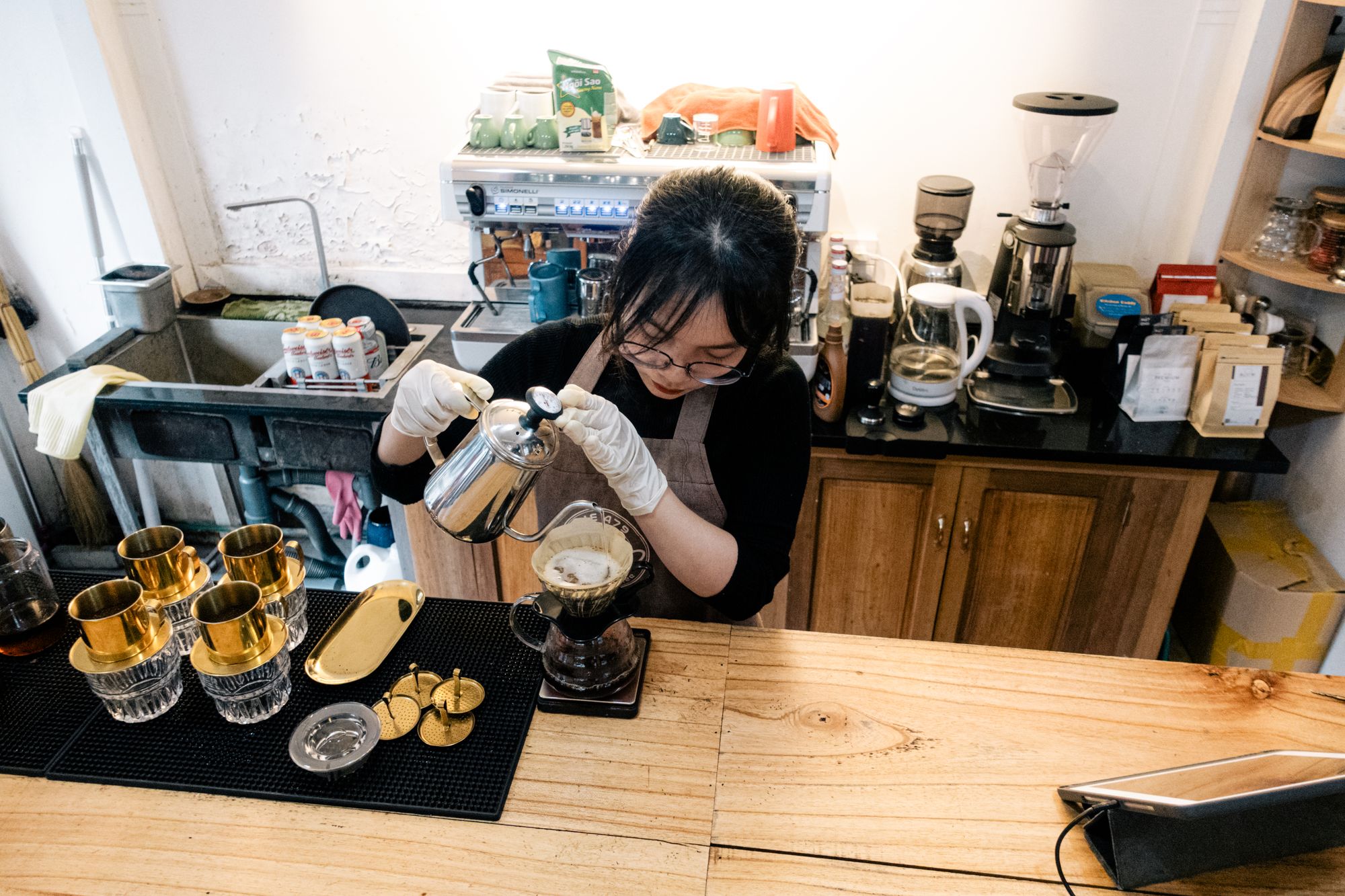
- I Can Too (IC2) Association, which runs a training café and a range of courses. I heard that some trainees have gone on to work at well-known restaurants in Macau
- Macau Autism Association, which offers advocacy, education and family support groups, and collaborates with some of Macau's largest companies to raise awareness
- Special Olympics Macau, which builds confidence, friendships and teamwork through sport
Where there is room to grow
Most of these programmes are designed for the broader disability community, which means more independent young people with ASD can sometimes fall between the gaps. I explore this further in University or Vocational Training? Choosing the Next Step After School in Macau.
At SLEducation, I work with more independent teens and young adults who need targeted support with social communication and interview skills.
This post is based on research I conducted for my MA dissertation, "What are the Post-Education Career Opportunities and Challenges for Adolescents with Autism Spectrum Disorder (ASD) in Macau S.A.R, China?", submitted for the MA in Special and Inclusive Education at the University of Nottingham (2024). The research was carried out in 2024.
